
Sciatica Chiropractor in Grapevine, TX
Sciatica can be hard to ignore. Pain may run from the low back or buttock into the leg, making it miserable to sit, drive, sleep, or get through a workday. It may burn, shoot, or feel like an electric jolt. The leg may tingle, go numb, or feel weaker than usual. But “sciatica” is only a description of the symptoms. It does not explain why the nerve is irritated. A useful evaluation has to sort out the likely source, what aggravates it, and how much it is disrupting ordinary life. Dr. R. Brett Payne, DC, CCCN, can then recommend care based on the exam, your comfort level, and the demands of your day.
What sciatica actually feels like
Classic sciatica is lopsided: it usually travels along one side of the body. It may begin in the low back or buttock and continue through the thigh, calf, foot, or toes. Sometimes the back barely hurts. The leg gets almost all the misery.
Common signs include:
- Sharp, burning, aching, or shock-like pain down one leg
- Tingling or pins and needles in the leg, foot, or toes
- Numbness in part of the leg or foot
- Weakness in the leg, ankle, or foot
- Pain that gets worse with prolonged sitting, bending, coughing, or sneezing
- Symptoms that change when you walk, stand, or shift positions
Sitting often makes sciatica worse, although not for everyone and not always for the same reason. In some cases, the position aggravates a sensitive disc or nerve root. A better chair may help a little. Changing positions regularly is usually more useful than hunting for one perfect setup.
Low back pain by itself is not usually sciatica. Hip problems, sacroiliac joint irritation, and tissues around the pelvis can produce a similar pattern. Where the symptoms travel tells us something, but not enough to diagnose the problem by itself. That takes an exam.
Why leg pain often starts in the low back
Several nerve roots leave the lower spine and join to form the sciatic nerve, which travels through the buttock and down the leg. So pain in the calf or foot may begin much farther upstream, in the low back.
Common causes include:
- A bulging or herniated disc irritating a nearby nerve root
- Age-related changes that narrow the space around a nerve, known as spinal stenosis
- Arthritic changes or bone spurs in the lower spine
- Spondylolisthesis, when one vertebra shifts forward in relation to the one below it
- Inflammation after a back or pelvic injury
- Less commonly, irritation of the sciatic nerve farther down its path through the buttock
Nerve pain does not require a dramatic “pinch.” Inflammation around a nerve root can make it sensitive, and pain can change how a person moves. Two people can hurt in exactly the same part of the leg for different reasons, so they may need different care.
The exam tells us what the label cannot
Sciatica is a symptom pattern, not a treatment plan. An exam should do more than confirm that your leg hurts. Where does the pain begin? How far does it travel? Is there numbness or weakness? Which positions change it? The answers help determine whether chiropractic care is reasonable and what else may need attention.
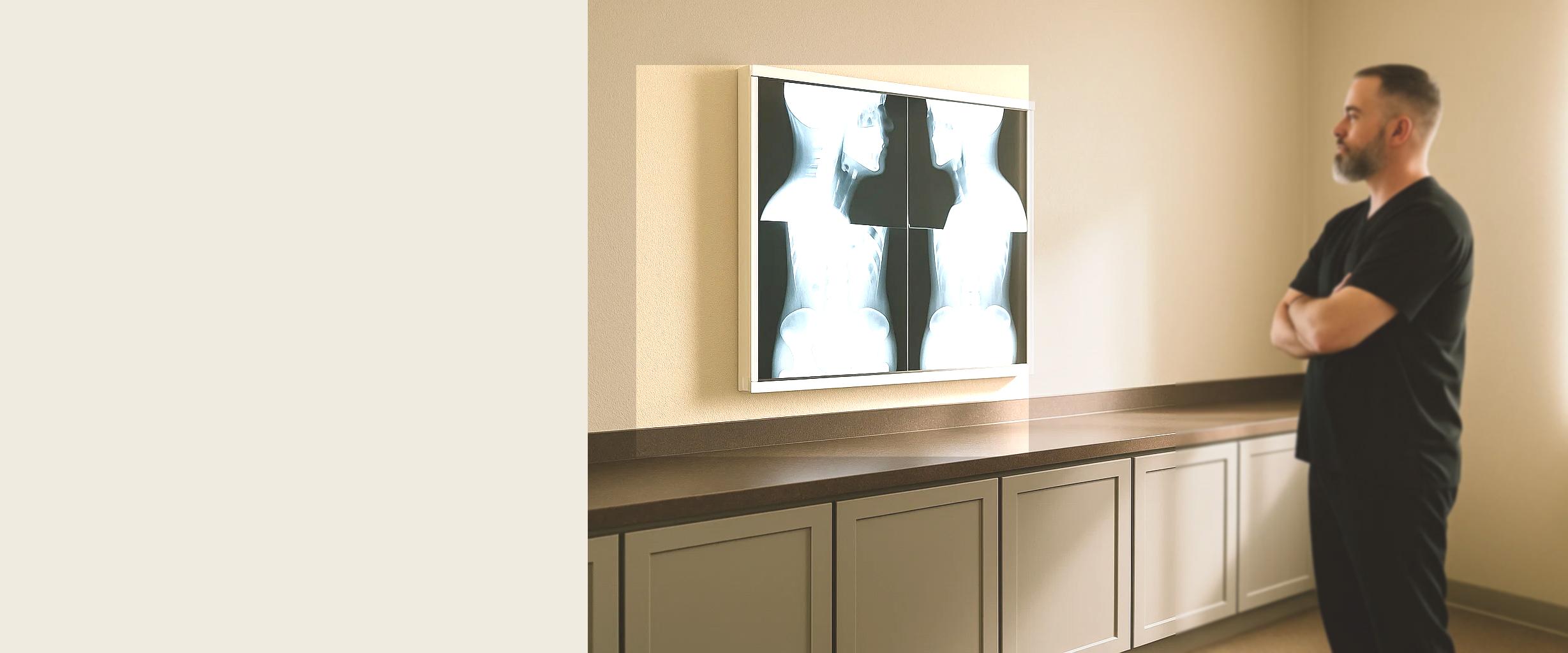
The first visit may include tests of lower-body strength, reflexes, sensation, walking, and movement in the low back and hips. We may also check how symptoms respond to certain positions. That offers clues about nerve sensitivity and whether a disc problem, spinal narrowing, or referred pain is more likely.
An X-ray or MRI is not automatically useful for sciatica. Imaging makes more sense when the exam raises a concern, symptoms are severe or getting worse, there has been significant trauma, or the result would actually change what happens next.
By the end of the evaluation, you should understand the likely cause of the symptoms and whether conservative care is worth trying. If another kind of evaluation is the better place to start, Dr. Payne will say so.
Where chiropractic care fits
Research on spinal manipulation for sciatica is limited, which is not much of a basis for grand promises. For some patients, however, manual therapy can be one useful part of conservative care when paired with guided exercise and a gradual return to normal activity. It should not be the whole plan. The choice and pace of treatment should depend on the exam findings and your comfort; there is no universal “sciatica adjustment.”
Depending on what we find, care may include:
- Chiropractic adjustments or joint mobilization for restricted movement
- Lower-force options, including flexion-distraction, when a gentler approach is more appropriate
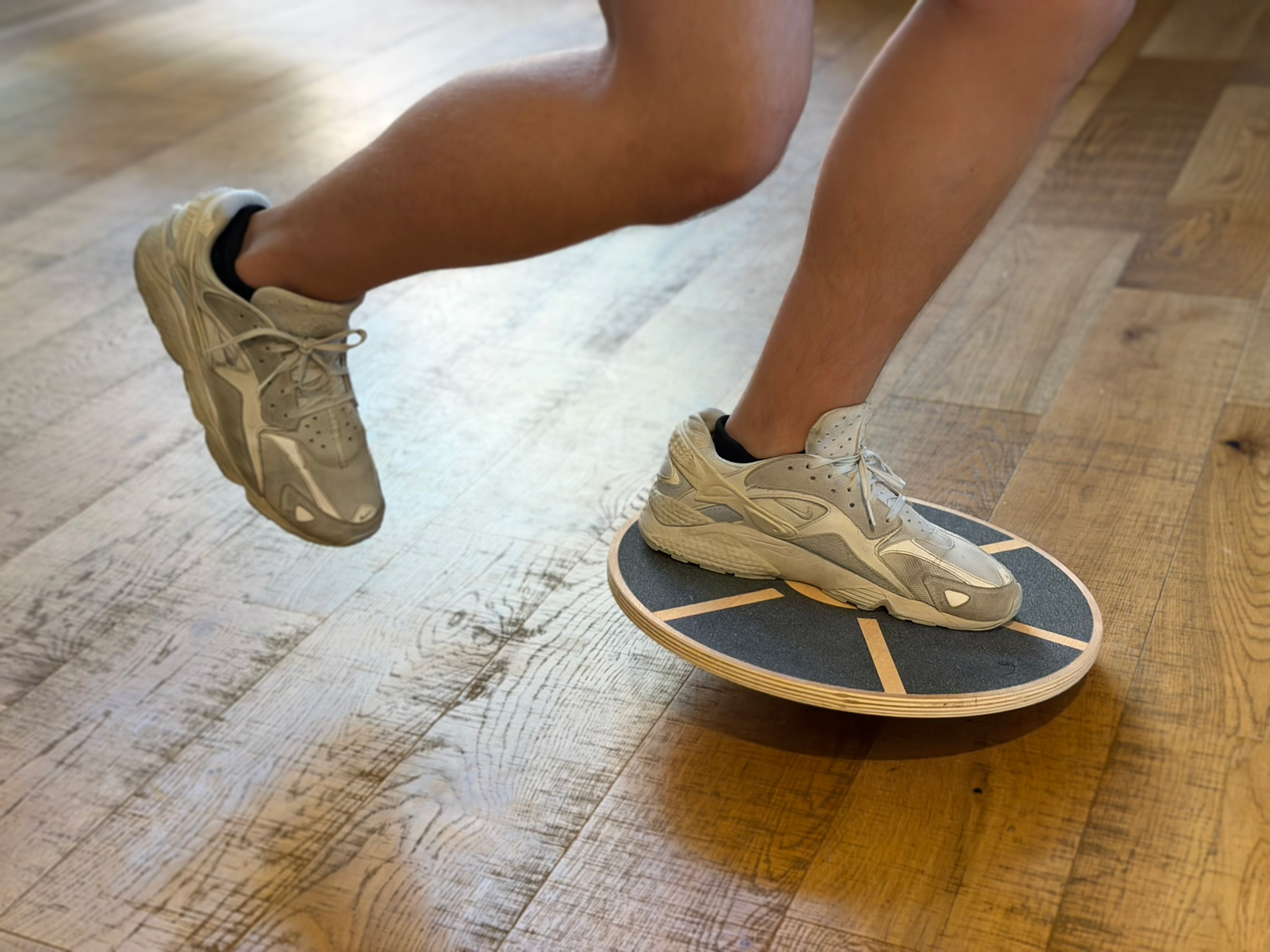
- Guided exercise and rehabilitation to build strength, control, and tolerance for daily activity
- Specific advice about sitting, lifting, exercise, and habits that repeatedly aggravate the symptoms
- Progress checks based on leg pain, sensation, strength, mobility, and function—not merely how the back feels for a few minutes after treatment
Hands-on care is only part of the job. You should also learn which movements calm the leg, which ones irritate it, and how to rebuild activity without having to guess at every step.
What helps when sciatica flares
Complete bed rest is tempting when moving hurts, but it can make it harder to get moving comfortably again. Keep moving in tolerable amounts when you can. Short walks and regular position changes are generally more useful than long stretches of sitting or lying down.
A few practical guidelines:
- Change positions before the pain builds. If sitting is a trigger, stand or walk briefly at regular intervals.
- Use heat or ice if it feels soothing. Neither is mandatory, and there is no prize for forcing the one that feels worse.
- Avoid repeatedly pushing through a movement that sends pain farther down the leg or clearly increases numbness or weakness.
- Be skeptical of generic “sciatica stretches.” The useful movement depends on what is irritating the nerve; a stretch that helps one person can aggravate another.
Sciatica often improves over several weeks to a few months, although some cases last longer or return later. The timeline depends on the cause, the degree of nerve irritation, and whether weakness is present. If symptoms are getting worse, keep returning, or still interfere with ordinary activity after a few weeks, an evaluation can narrow down the likely cause and produce something better than a generic sciatica checklist.
When sciatica needs urgent medical care
Seek urgent medical attention for new trouble controlling your bladder or bowels, numbness around the groin or saddle area, severe or rapidly worsening leg weakness, sciatica affecting both legs, or symptoms that begin after a serious accident or injury. These are not “wait and see” problems. They need prompt medical evaluation, not a routine chiropractic appointment.
Most cases do not involve those warning signs. If yours is not an emergency but keeps interfering with work, sleep, driving, or exercise, a routine evaluation may be a reasonable next step.
If a chair or car seat is the most predictable trigger, this guide explains why sciatica can hurt more when you sit and how to respond without forcing generic stretches.
Start with a 15-minute conversation
Dr. Payne has more than 20 years of chiropractic experience. He completed his Certification in Clinical Chiropractic Neurology at Parker University in 2007. He starts by listening, then assesses the problem and explains his findings in plain language before you make any decision about care.
You do not have to diagnose yourself before calling, and you do not have to guess which appointment to book. During the free Discovery Call, tell Dr. Payne where the pain travels, what makes it worse, and what you have already tried. He can answer your initial questions and help you decide whether an in-office evaluation at Innovate Health makes sense.
Innovate Health is located in Grapevine and serves patients from Southlake, Colleyville, Euless, Bedford, and surrounding Dallas–Fort Worth communities.
Schedule Your Free Discovery Call
Talk with Dr. R. Brett Payne, DC, CCCN, Chiropractor & Clinical Chiropractic Neurologist.
Here's the latest
Get insights from our office on the latest treatments, trends and topics.



Ready to take the first step?
Let us guide you on your wellness journey. Book an in-office visit or schedule a phone consultation with the Doctor, today. Choose your path below.
.webp)