
Chiropractic Adjustments in Grapevine, TX
Some people arrive already comfortable with chiropractic adjustments. Others want help but feel nervous about being twisted, “cracked,” or hurried through the same routine as everyone else. Both reactions are understandable. An adjustment is one of several tools that may be included in your care. At Innovate Health, Dr. R. Brett Payne, DC, CCCN, first looks at how you move, what seems restricted, what makes the problem better or worse, and whether hands-on care fits the findings. The technique and the amount of force should suit the patient in front of him. Talk one-on-one with Dr. Payne for 15 minutes. There is no pressure and no paperwork.

What an adjustment actually does
A chiropractic adjustment is a controlled movement applied to a joint, either by hand or with a small instrument. It might be a quick, specific impulse. It might be a slower mobilization or a gentle, repeated motion. The aim is to help a restricted joint move more comfortably and, when possible, reduce pain.
This is different from the familiar idea that a bone has slipped “out of place” and needs to be put back. Most ordinary back and neck pain does not work that way. A joint may feel stiff or sensitive after an injury, too much time in one position, repeated loading, or the protective muscle tension that often comes with pain. You may start moving differently to avoid the sore area, until movements that were once easy feel awkward or uncomfortable.
An adjustment may make movement easier and ease symptoms. It often works best as part of a broader plan that may include exercise, sensible changes in activity, and a gradual return to the things you need or want to do.
The sound is not the point
The familiar pop happens when pressure changes inside a joint and dissolved gas is released. It is not the sound of bones grinding, and a useful adjustment does not have to make any sound at all.
Some people prefer traditional manual adjustments. Others are more comfortable with lower-force care, an Activator instrument, or a table-assisted method such as flexion-distraction. The useful questions come afterward: Are you moving more comfortably? Can you do something more easily? Those changes tell us more than the presence or volume of a pop.
Dr. Payne explains what he intends to do before he does it. If a position makes you uneasy, say so. There is usually more than one way to approach a joint, and your comfort helps guide the choice.
Technique begins with the exam
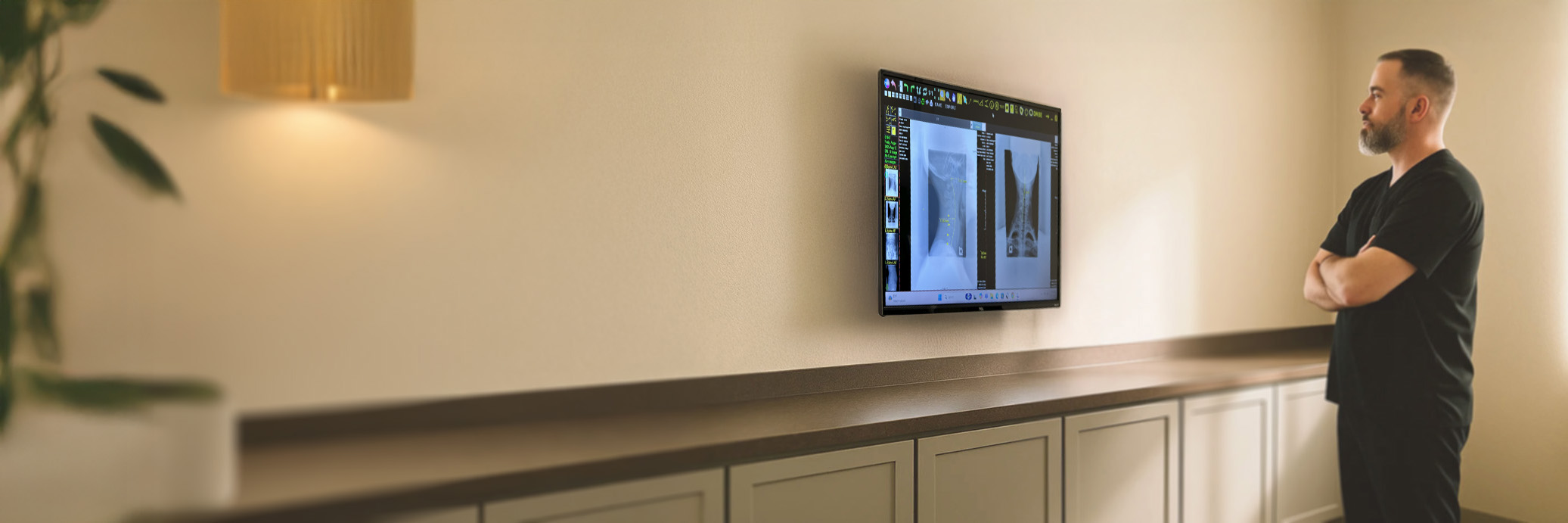
Before adjusting anything, Dr. Payne needs to know how the problem began and what it is doing to your day. A first visit may include checks of movement and posture, joint motion, strength, reflexes, sensation, balance, or other neurological findings when they are relevant. He may examine areas above and below the pain as well, because pain can change how you use nearby joints and muscles.
Imaging is not automatic. An X-ray, MRI, or other scan is useful when the history or exam raises a specific question and the answer would change care. Recent trauma, progressive weakness, unexplained systemic symptoms, or concerns about bone health may call for testing or a different evaluation before any manual treatment.
By the end of the assessment, you should know what Dr. Payne found, what an adjustment is meant to address, and how you will judge whether it is helping. If another approach fits the findings better, he will explain why and discuss the next step with you.
One technique does not fit everyone
Chiropractic adjustments are most often used for back pain, neck pain, and other joint-related problems. They may also be used alongside other treatments for certain headaches related to neck movement or some cases of radiating pain. The diagnosis matters. So does the way the symptoms behave. A label by itself does not tell us which technique will help — or whether any adjustment is appropriate.
At Innovate Health, an adjustment may involve:
- A specific manual technique for a restricted spinal or extremity joint
- Slower mobilization when a quick impulse is not a good fit
- The Activator Method, using a handheld instrument that delivers a small, controlled force
- Flexion-distraction for selected low-back or radiating leg symptoms that respond better to gentle, table-assisted movement
- An adjustment paired with stretching, rehabilitation, or practical changes to daily movement
Research on spinal manipulation shows modest benefits for some people with low-back pain, and major clinical guidelines include it among several non-drug options. That makes it a reasonable treatment to consider. Dr. Payne reassesses your response over time so the plan can be adjusted to what is actually helping you.
Relief matters, and so does what you can do afterward
Feeling looser after an adjustment can be helpful, especially when pain has made movement guarded and unpleasant. That relief is most useful when it helps you sit through a meeting, sleep more comfortably, lift with more confidence, get back to a workout, or simply make it through the day without constantly thinking about the sore area.
Depending on the problem, Dr. Payne may pair an adjustment with a few movements meant to build strength, control, or tolerance. He may suggest a practical change to a work setup, training routine, or lifting habit that keeps irritating the area. You should know what to do between visits. Your progress should not feel as though it depends entirely on the next appointment.
A care plan also needs checkpoints. Pain intensity is one measure, but range of motion, strength, sleep, walking tolerance, work, and the activities you want back can tell us much more about whether care is helping.
What to expect after an adjustment
Many people return to normal activity right away. Mild soreness, stiffness, or a temporary headache can follow spinal manipulation, especially when the area was already sensitive or the movement is new to you. These reactions are usually brief.
There is no need to “flush out toxins” by drinking extra water or to follow an elaborate recovery ritual. Follow the movement advice you were given, stay reasonably active within your tolerance, and contact the office if a reaction is stronger or lasts longer than expected.
A mildly sore day after treatment usually matters less than whether your symptoms and function are improving over time.
When an adjustment is not the right first step
Some symptoms need medical evaluation before manual care. A recent fracture, significant trauma, severe bone fragility, suspected infection, or progressive neurological loss can change what is safe. New loss of bladder or bowel control, numbness around the saddle area, or rapidly worsening weakness in a limb requires urgent medical attention.
These problems are not typical of most people seeking chiropractic care, but they matter too much to miss. A good history and exam help screen for them and determine whether an adjustment belongs in the plan — and how gentle it should be.
Start with a 15-minute conversation
Dr. Payne has more than 20 years of chiropractic experience. He completed his Certification in Clinical Chiropractic Neurology at Parker University in 2007. Patients often mention that he takes the time to listen and explain the “why” and “how” before moving forward.
Not sure whether you need an adjustment? Nervous about a particular technique? Wondering whether chiropractic care makes any sense for your symptoms? That is what the free Discovery Call is for. Tell Dr. Payne what is limiting you, what you have already tried, and what worries you about treatment. He can answer your initial questions and help you decide whether an in-office evaluation at Innovate Health is a sensible next step.
Innovate Health is located in Grapevine and serves patients from Southlake, Colleyville, Euless, Bedford, and surrounding Dallas–Fort Worth communities.
Schedule Your Free Discovery Call
Talk with Dr. R. Brett Payne, DC, CCCN, Chiropractor & Clinical Chiropractic Neurologist.
Here's the latest
Get insights from our office on the latest treatments, trends and topics.



Ready to take the first step?
Let us guide you on your wellness journey. Book an in-office visit or schedule a phone consultation with the Doctor, today. Choose your path below.
.webp)