Why GLP-1 Weight Loss Is Changing How We Treat Obesity
.jpg)
Here's a quick summary of what you need to know:
- What they are: GLP-1 medications mimic a natural gut hormone that helps control hunger, slow digestion, and regulate blood sugar
- Who they're for: Adults with a BMI of 30+, or 27+ with a weight-related condition like high blood pressure or type 2 diabetes
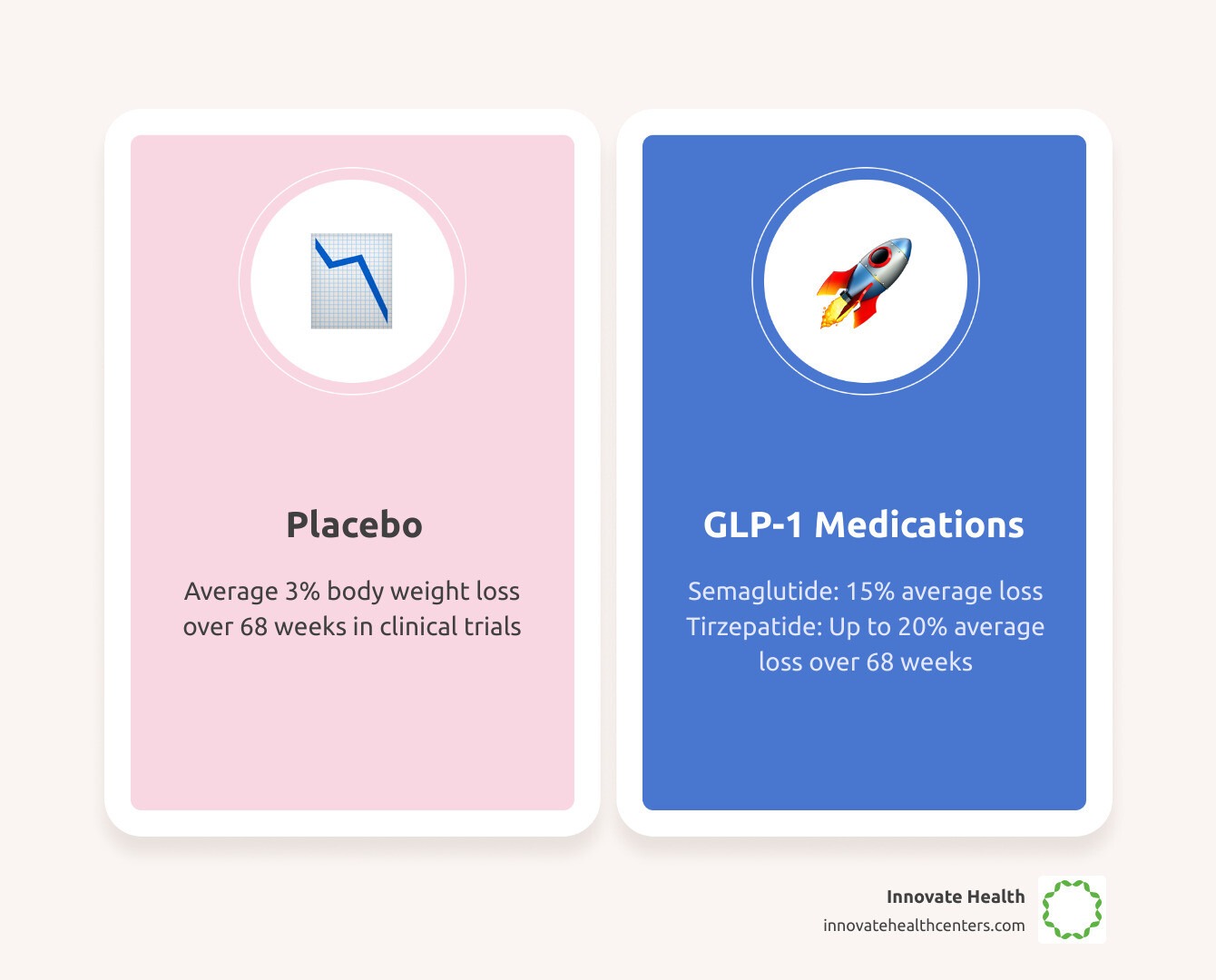
- How much weight you can lose: Clinical trials show 15–20% of body weight on average with medications like semaglutide
- How they're taken: Mostly once-weekly injections; oral options are now available too
- Key risk: Stopping the medication often leads to significant weight regain without strong lifestyle habits in place
The numbers behind this trend are hard to ignore. More than 40% of American adults currently live with obesity — a condition the World Health Organization recognizes as a chronic disease. And roughly 1 in 8 U.S. adults have already tried a GLP-1 medication, whether for weight loss, diabetes, or another health concern.
For busy professionals juggling demanding schedules, these medications offer something that years of dieting often couldn't: a biological reset of the hunger signals that make weight loss so difficult to sustain.
But GLP-1 therapy isn't a simple fix you take in isolation. The best outcomes come when these medications are paired with real lifestyle changes, medical oversight, and a long-term plan — something this guide covers in full.
Understanding GLP-1 Weight Loss: How It Works
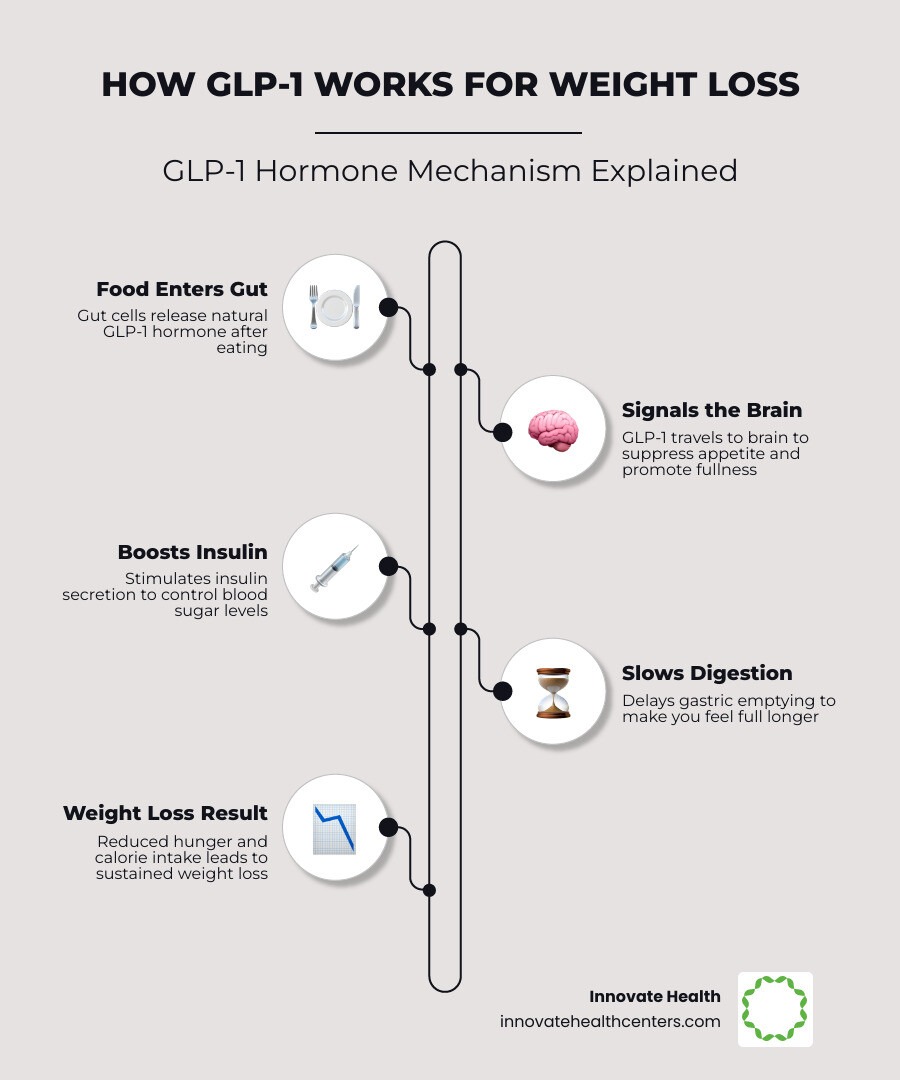
To understand why glp-1 weight loss is so effective, we first have to look at how our bodies handle food. GLP-1 stands for "glucagon-like peptide-1." In its natural state, this is a hormone your gut produces after you eat. It’s like a built-in messenger that tells your brain, "Hey, we're satisfied now!"
When we use GLP-1 agonists (the technical name for these medications), we are essentially giving the body a louder, longer-lasting version of that message. These drugs mimic the natural hormone but stay in your system much longer than the few minutes the natural version lasts.
The Brain-Gut Connection
GLP-1 medications work on two main fronts. First, they target the appetite centers in your brain. By binding to specific receptors, they dampen the "food noise" or constant cravings that many of us struggle with. Second, they slow down "gastric emptying." This means food stays in your stomach longer, which helps people feel full sooner and for a much longer period after a meal.
Blood Sugar and Insulin
Beyond just making you feel full, these medications signal the pancreas to release insulin when blood sugar rises. They also block glucagon, a hormone that normally tells your liver to release stored sugar. This combination is why they were originally developed for Type 2 diabetes before their powerful weight-loss benefits were fully realized.
FDA-Approved Medications and Eligibility Criteria
If you’re looking into glp-1 weight loss in the Grapevine area, you’ll likely hear a few specific brand names. While many of these drugs are in the same family, they have different "ingredients" and different FDA approvals.
The Major Players
- Semaglutide (Wegovy, Ozempic): Wegovy is FDA-approved specifically for chronic weight management. Ozempic contains the same active ingredient but is technically approved for Type 2 diabetes (though often used off-label for weight loss).
- Tirzepatide (Zepbound, Mounjaro): This is a newer "dual-agonist." It mimics both GLP-1 and another hormone called GIP (glucose-dependent insulinotropic polypeptide). Clinical trials suggest this dual action might lead to even more significant weight loss than GLP-1 alone.
- Liraglutide (Saxenda, Victoza): An older, daily injectable. Saxenda is approved for weight loss, though it is generally considered less potent than the newer weekly options.
Who Is Eligible?
The FDA has established clear guidance on managing overweight and obesity when it comes to these prescriptions. Generally, we look for:
- A Body Mass Index (BMI) of 30 or higher (obesity).
- A BMI of 27 or higher (overweight) plus at least one weight-related medical condition, such as high blood pressure, Type 2 diabetes, high cholesterol, or obstructive sleep apnea.
At Innovate Health, we believe eligibility is about more than just a number on a scale. We look at your full health history, including heart health and metabolic markers, to ensure these medications are a safe fit for your unique biology.
Clinical Results: What to Expect from Treatment
The results seen in clinical trials have been nothing short of revolutionary. In the landmark STEP 1 trial, participants using 2.4 mg of semaglutide lost an average of 15% of their body weight over 68 weeks. Some participants even saw losses of 20% or more.
The Titration Schedule
You don't just jump into the highest dose on day one. To help your body adjust and minimize side effects, we use a "titration" schedule. This usually involves starting at a very low dose for four weeks and gradually increasing it every month until you reach the "maintenance" dose.
Administration: Shots vs. Pills
Most glp-1 weight loss medications are administered via a tiny, subcutaneous injection once a week. It’s a very small needle (similar to an insulin pen) that most people find relatively painless. However, for those with a serious needle phobia, oral semaglutide (Rybelsus) is available for diabetes, and a high-dose oral version of Wegovy was recently approved by the FDA in late 2025.
What’s on the Horizon?
The world of weight loss medicine is moving fast. New investigational drugs like Orforglipron (a daily pill) and CagriSema (a combination of semaglutide and a hormone called amylin) are showing even more promise in early trials. Some emerging therapies are hitting nearly 20-25% weight loss in phase 3 studies, which rivals the results of some bariatric surgeries.
Managing Side Effects and Serious Risks
While the benefits are high, glp-1 weight loss medications are not without their challenges. Because these drugs slow down your entire digestive system, most side effects are gastrointestinal.
Common "Tummy Troubles"
The most frequent reports involve:
- Nausea and vomiting (especially during dose increases)
- Diarrhea or constipation
- Abdominal pain and bloating
- Fatigue or dizziness
Most of these can be managed by eating smaller meals, staying hydrated, and avoiding greasy or highly processed foods.
Serious Risks to Watch For
While rare, there are serious conditions that require medical attention. These include:
- Pancreatitis: Severe stomach pain that won't go away.
- Gallbladder issues: Including gallstones.
- Vision changes: Specifically a very rare condition called NAION.
- Kidney issues: Often caused by dehydration from vomiting or diarrhea.
It is also vital to follow MHRA guidance on reporting side effects and to inform your surgical team if you are taking these meds before any procedure involving anesthesia. Because GLP-1s slow stomach emptying, there is an increased risk of pulmonary aspiration during surgery.
The "Muscle Loss" Concern
When you lose weight rapidly, you don't just lose fat—you can also lose muscle and bone density. This is why we emphasize "calorie quality" over "calorie restriction." Research on fracture risk and weight loss suggests that maintaining bone health is critical, especially for postmenopausal women and older adults.
Long-Term Success and Avoiding Weight Regain
One of the most important things we tell our patients in Grapevine is that these medications are a tool, not a "forever" magic wand. The STEP 4 trial provided a sobering reality check: participants who stopped taking semaglutide regained approximately two-thirds of their lost weight within a year.
Maximizing Success with GLP-1 Weight Loss Strategies
To keep the weight off, you have to fight "metabolic adaptation"—your body’s natural urge to return to its previous higher weight.
- Prioritize Protein: Aim for lean proteins at every meal to protect your muscle mass.
- Lift Weights: Resistance exercise is non-negotiable. It tells your body to keep the muscle and burn the fat.
- Hydrate: GLP-1s can actually reduce your thirst signals. You must consciously drink more water to avoid kidney strain and fatigue.
- Focus on Quality: Move away from ultra-processed foods and focus on whole grains, vegetables, and healthy fats.
At Innovate Health, we integrate these medications with our holistic services, such as chiropractic adjustments and IV vitamin infusions, to ensure your body is supported from the inside out. This root-cause approach helps you transition from "being on a drug" to "living a healthy lifestyle."
Frequently Asked Questions about GLP-1 Weight Loss
Can I take GLP-1s while pregnant or using contraception?
Safety is our top priority. You should not take GLP-1 medications if you are pregnant or breastfeeding. Most experts recommend a "wash-out" period before trying to conceive—usually two months for semaglutide and one month for tirzepatide.
Additionally, if you are taking Tirzepatide (Zepbound/Mounjaro), it can interfere with how your body absorbs oral contraceptives. The FSRH guidance on GLP-1s and oral contraception suggests adding a barrier method (like condoms) for four weeks after starting the drug or increasing your dose.
How do I obtain a legitimate prescription safely?
With the rise in popularity, counterfeit drugs have become a major issue. Never buy "Ozempic" from a beauty salon, social media ad, or an unregulated website. These "fake meds" can be dangerous and often contain the wrong ingredients.
Always consult a licensed healthcare professional. You can check the FakeMeds safety guide for more tips on staying safe. A legitimate prescription requires a full medical evaluation and ongoing monitoring.
What should I do if I hit a weight loss plateau?
Plateaus are a normal part of the journey. A plateau is typically defined as no weight change for 8 to 12 weeks. If this happens, don't panic! It’s just your body’s metabolism "catching up."
Strategies for overcoming weight loss plateaus include:
- Adjusting your dose under medical supervision.
- Switching to a different GLP-1 medication.
- Re-evaluating your protein intake and exercise intensity.
- Checking for other medical conditions like hypothyroidism or perimenopause.
Conclusion
The era of glp-1 weight loss has opened doors for millions of people who felt stuck in the cycle of chronic obesity. However, these medications work best when they aren't the only tool in your kit.
At Innovate Health in Grapevine, TX, we specialize in integrative wellness. We don't just hand you a prescription; we provide medical oversight combined with functional medicine and holistic care. Whether it's through chiropractic adjustments, IV therapy, or personalized nutrition, our goal is to help you achieve a "full body detox" from the habits and biological signals that held you back.
If you're ready to explore a tailored, root-cause approach to your weight loss journey, we invite you to learn more about our comprehensive services. Let’s work together to make this the last weight loss journey you ever have to start.

Here's the latest
Get insights from our office on the latest treatments, trends and topics.

.jpg)
.jpg)
What Our Patients Say About Dr. Payne
.svg)

Ready to take the first step?
Let us guide you on your wellness journey. Book an in-office visit or schedule a phone consultation with the Doctor, today. Choose your path below.
.webp)